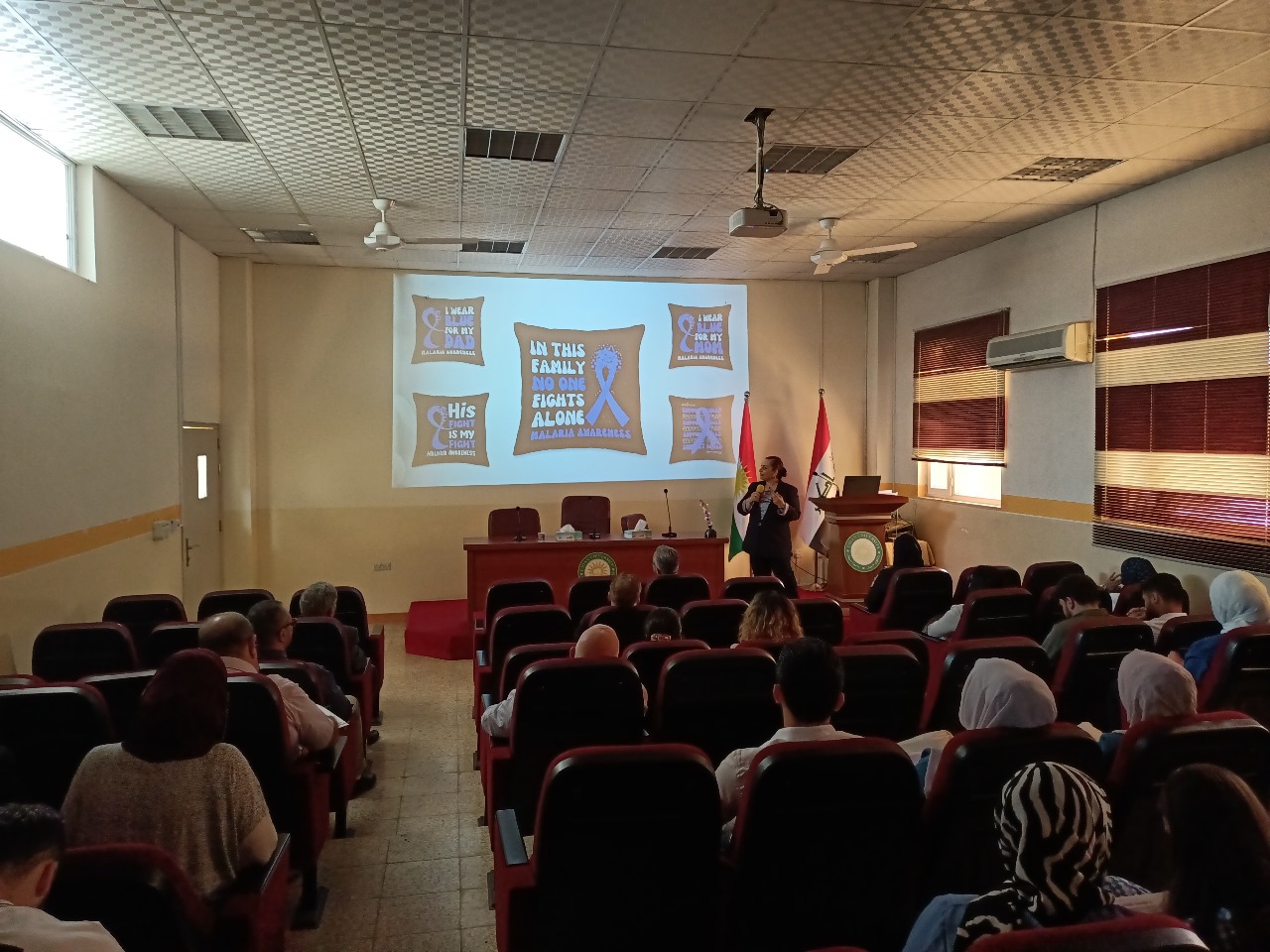
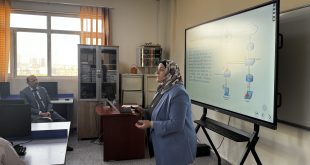
Malaria continues to be a major public health concern, particularly in tropical and subtropical regions. This seminar provides a comprehensive overview of the disease, exploring its causes, transmission, and its profound impact on affected populations. Malaria is caused by the Plasmodium parasites, which exhibit remarkable biological complexity. Their ability to adapt to different environments and evade the immune system makes malaria a persistent and formidable global health challenge.
The disease is primarily transmitted through the female Anopheles mosquito, making vector control essential in preventing its spread. However, the growing problem of insecticide resistance presents a significant challenge, requiring innovative approaches to vector management. Malaria's societal and economic toll is severe, reducing productivity and hindering economic development, especially in vulnerable populations such as children and pregnant women.
While progress has been made in recent years, numerous challenges remain on the path to global malaria eradication. Issues like drug resistance, healthcare infrastructure gaps, and socio-economic disparities continue to hamper effective prevention and treatment efforts.
Join us for an in-depth discussion on malaria, where we will explore the biological, socio-economic, and evolving challenges in the fight against this disease. By fostering sustained and collaborative efforts, we can move closer to a malaria-free world and enhance the quality of life for affected populations.
Presented by:
Asst. Prof. Dr. Ameena Sabah Mahmood
 Quality Assurance Cihan University – Erbil